The digital landscape is constantly evolving, presenting new and sophisticated threats to cybersecurity. Traditional perimeter-based security models are increasingly inadequate in the face of these challenges, leading to the rise of Zero Trust architecture. This approach fundamentally shifts the paradigm, assuming no implicit trust and verifying every user and device before granting access to resources. This guide explores the core principles, implementation strategies, key technologies, and future trends of Zero Trust Cybersecurity Solutions, providing a comprehensive understanding of this vital security framework.
We’ll delve into the practical aspects of implementing Zero Trust, examining best practices for organizations of all sizes. We’ll also analyze how Zero Trust mitigates specific threats, such as phishing, insider attacks, and ransomware, and its effectiveness in securing cloud environments. The discussion will encompass a range of relevant technologies, including multi-factor authentication (MFA), cloud access security brokers (CASBs), and micro-segmentation, providing a holistic perspective on building a robust and adaptable security posture.
Cybersecurity Solutions (General Overview)
The modern cybersecurity landscape is a complex and ever-evolving battlefield. Businesses of all sizes face a constant barrage of threats, from sophisticated state-sponsored attacks to opportunistic malware infections. The sheer volume and variety of these threats necessitate a multi-faceted approach to security, going beyond simple antivirus software to encompass a comprehensive strategy. This strategy needs to adapt and evolve as the threat landscape shifts.The increasing reliance on digital technologies and the interconnected nature of modern systems have expanded the attack surface significantly.
This means that vulnerabilities can be exploited from numerous points, requiring a layered defense strategy to effectively mitigate risk. Furthermore, the increasing sophistication of cyberattacks requires solutions that can adapt and learn, proactively identifying and responding to emerging threats.
Endpoint Protection
Endpoint protection solutions focus on securing individual devices, such as laptops, desktops, and mobile phones. These solutions typically include antivirus software, intrusion detection systems, and data loss prevention (DLP) tools. Effective endpoint protection is crucial for preventing malware infections, data breaches, and other security incidents. For example, a robust endpoint solution might incorporate real-time malware scanning, behavioral analysis to detect suspicious activity, and encryption to protect sensitive data stored on the device.
These solutions often integrate with a centralized management console, allowing administrators to monitor and manage security settings across multiple endpoints.
Network Security
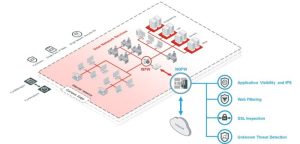
Network security encompasses the protection of an organization’s network infrastructure from unauthorized access and cyberattacks. This includes firewalls, intrusion prevention systems (IPS), virtual private networks (VPNs), and network segmentation. Firewalls act as the first line of defense, filtering network traffic and blocking malicious connections. IPS systems actively monitor network traffic for malicious activity and take action to prevent attacks.
VPNs provide secure connections between remote users and the organization’s network, while network segmentation divides the network into smaller, isolated segments to limit the impact of a security breach. A well-designed network security architecture is vital for preventing unauthorized access to sensitive data and resources. For example, a small business might utilize a cloud-based firewall service integrated with an intrusion detection system to monitor network traffic for suspicious activity, alerting administrators to potential threats.
Data Loss Prevention (DLP)
Data loss prevention (DLP) solutions are designed to prevent sensitive data from leaving the organization’s control. These solutions monitor data movement across the network and identify sensitive information such as credit card numbers, social security numbers, and intellectual property. DLP tools can prevent sensitive data from being copied to unauthorized devices, emailed to external recipients, or uploaded to cloud storage services without proper authorization.
Implementing robust DLP measures is crucial for compliance with regulations such as GDPR and HIPAA, and for protecting the organization’s reputation and financial interests. A common example would be a DLP solution that monitors email traffic for sensitive data and blocks messages containing such data unless sent to approved recipients.
Layered Security Approach
A layered security approach involves implementing multiple security controls to protect against a wide range of threats. This approach recognizes that no single security solution is foolproof, and that a combination of solutions is needed to achieve robust cybersecurity. By layering different security controls, organizations can create a more resilient defense against attacks, making it more difficult for attackers to penetrate their defenses.
Each layer acts as a backup for the others, so if one layer fails, the others can still provide protection. This layered approach is essential for mitigating risks and reducing the impact of security breaches.
Hypothetical Cybersecurity Strategy for a Small-to-Medium-Sized Business (SMB)
A hypothetical cybersecurity strategy for an SMB could incorporate the following layers of defense:
- Endpoint Protection: Deploying endpoint detection and response (EDR) software on all employee devices to monitor for malicious activity and prevent infections.
- Network Security: Implementing a firewall, intrusion detection/prevention system (IDS/IPS), and VPN access for remote workers to secure network perimeters and protect against external threats.
- Data Loss Prevention (DLP): Utilizing DLP tools to monitor and prevent sensitive data from leaving the organization’s control, including email filtering and data encryption.
- Security Awareness Training: Providing regular security awareness training to employees to educate them about phishing scams, malware, and other social engineering attacks.
- Regular Backups and Disaster Recovery Planning: Implementing a robust backup and recovery plan to ensure business continuity in the event of a data breach or other disaster. This includes regular backups of critical data and a plan for restoring data and systems in the event of a failure.
- Multi-Factor Authentication (MFA): Requiring MFA for all user accounts to add an extra layer of security and prevent unauthorized access.
This layered approach provides a comprehensive defense, addressing various attack vectors and minimizing the impact of successful breaches. The effectiveness of this strategy depends on consistent updates, regular monitoring, and employee engagement in security practices.
Future Trends in Zero Trust

Zero Trust security is rapidly evolving, driven by technological advancements and shifting cybersecurity landscapes. The future of Zero Trust will be shaped by a convergence of emerging technologies and a deeper understanding of its core principles, leading to more robust and adaptable security postures. This section explores key trends influencing the future of Zero Trust architectures.
Emerging Technologies Shaping Zero Trust
Several emerging technologies are poised to significantly enhance Zero Trust implementations. These advancements offer improved security, automation, and scalability, addressing many of the challenges inherent in traditional security models. For instance, advancements in blockchain technology promise enhanced data integrity and access control, providing an immutable record of access attempts and permissions. Similarly, advancements in quantum-resistant cryptography will be crucial in safeguarding against future attacks leveraging quantum computing power.
The integration of these technologies will significantly strengthen the overall resilience of Zero Trust frameworks.
The Impact of AI and Machine Learning on Zero Trust
Artificial intelligence (AI) and machine learning (ML) are revolutionizing cybersecurity, and their impact on Zero Trust is particularly profound. AI and ML algorithms can analyze vast amounts of data from various sources – network traffic, user behavior, device posture – to identify anomalies and potential threats in real-time. This enables proactive threat detection and response, significantly improving the effectiveness of Zero Trust policies.
For example, ML models can learn to distinguish between legitimate and malicious user behavior, allowing for more granular access control and reducing the risk of unauthorized access. AI-powered automation can streamline the management of Zero Trust policies, simplifying complex configurations and reducing the burden on security teams.
Remote Work and Zero Trust Strategies
The rise of remote work has presented both challenges and opportunities for Zero Trust. The distributed nature of remote workforces necessitates a more robust and adaptable security framework. Zero Trust’s inherent focus on least privilege access and continuous verification aligns perfectly with the security needs of remote workers. However, ensuring secure access to corporate resources from diverse and potentially less secure environments remains a challenge.
Implementing robust multi-factor authentication (MFA), secure remote access solutions (like VPNs with strong authentication), and endpoint security measures are crucial for securing remote workforces within a Zero Trust framework. Companies like Google and Microsoft have heavily invested in securing remote workforces through robust Zero Trust implementations, showcasing the feasibility and benefits of this approach.
The future of Zero Trust lies in its ability to adapt to the ever-changing threat landscape through the integration of emerging technologies like AI/ML and blockchain, while effectively securing increasingly distributed workforces.
In conclusion, Zero Trust Cybersecurity Solutions represent a critical evolution in security practices, offering a proactive and adaptable approach to the ever-changing threat landscape. By embracing a “never trust, always verify” philosophy and leveraging the latest technologies, organizations can significantly enhance their security posture and protect valuable assets. While implementation presents challenges, the long-term benefits of increased security, improved compliance, and reduced risk far outweigh the initial investment.
The future of Zero Trust is bright, with continued advancements in AI and machine learning poised to further enhance its effectiveness and broaden its applications.
Key Questions Answered
What is the difference between Zero Trust and traditional security models?
Traditional models assume trust within the network perimeter, while Zero Trust assumes no implicit trust and verifies every access request, regardless of location.
Is Zero Trust suitable for small businesses?
Yes, Zero Trust principles can be adapted to fit organizations of any size. While full implementation may be phased, adopting core elements like MFA offers significant security improvements.
What are the common challenges in implementing Zero Trust?
Challenges include integration complexity, cost, and the need for comprehensive employee training and change management.
How does Zero Trust protect against data breaches?
By limiting access based on least privilege and continuous verification, Zero Trust minimizes the impact of successful breaches, containing damage and preventing lateral movement.